
Receiving a legal settlement after a traumatic event is often described as a finish line. For months, or even years, you have lived through the stress of medical appointments, insurance phone calls, and the uncertainty of litigation. When the check finally arrives, there is a natural sense of relief. However, for those who have suffered significant life changes, the arrival of these funds is actually the starting line of a new challenge: ensuring that money lasts as long as the injuries do.
A settlement is rarely “found money.” It is compensation for past losses and a pre-payment for future ones. Without a comprehensive plan that addresses debt, taxation, and asset protection, a substantial award can vanish surprisingly quickly. To truly recover, one must look past the immediate horizon and build a legal and financial fortress. This article explores how to bridge the gap between a courtroom victory and a lifetime of security.
Prioritizing Early Recovery and Documentation
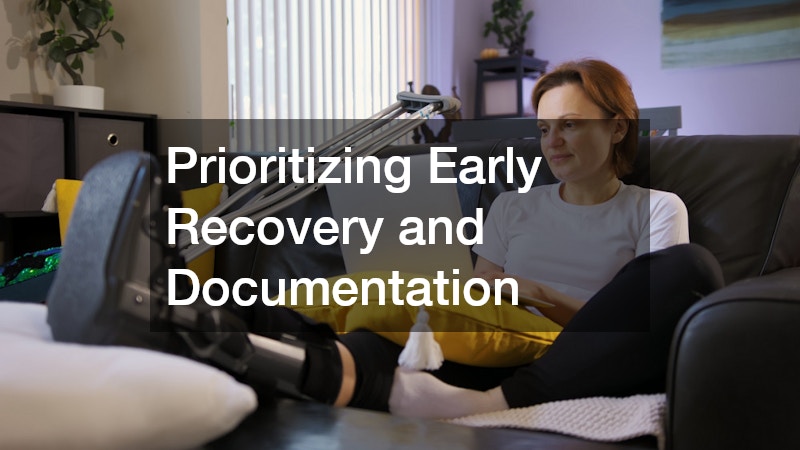
The foundation of any successful long-term plan is laid in the days and weeks immediately following an incident. While the physical healing process is the priority, the legal strength of your future claim depends on the quality of evidence gathered during this window. Every medical bill, every diagnostic image, and every therapy log serves as a building block for your eventual recovery. Documentation must be exhaustive because insurance companies often look for any gap in treatment to argue that an injury is not as severe as claimed.
It is during this stabilization phase that most people realize they cannot navigate the complexities of insurance claims alone. Engaging a car crash attorney early on ensures that the specific mechanics of the accident are preserved through expert reconstruction and witness statements. This professional oversight prevents the insurance company from devaluing your claim based on technicalities or mismanaged communication. Furthermore, the guidance of a local attorney can be invaluable, as they understand the specific judicial leanings and procedural rules of your specific jurisdiction, ensuring that no local deadlines are missed while you focus on your health.
-
Maintain a treatment diary: Record daily pain levels, physical therapy progress, and how the injury affects your mental health.
-
Centralize all communication: Direct all insurance adjusters to your legal team to avoid making recorded statements that could be used against you.
-
Track ancillary costs: Document transportation costs to doctors, over-the-counter medications, and any household help you had to hire.
Calculating the True Cost of Future Care
Determining what a settlement “should” be is one of the most difficult aspects of the legal process. It requires more than just adding up existing medical bills. A holistic plan must account for “life care costs,” which include future surgeries, replacement of prosthetic devices, home health aides, and even the loss of retirement contributions you would have made had you remained employed. If you settle based only on what you owe today, you are essentially gambling with your future financial survival.
Consulting with a local personal injury lawyer allows you to tap into a network of experts who can project these costs over several decades. These experts use actuarial data and medical forecasting to ensure that inflation and rising healthcare costs are factored into the final demand. When evaluating which personal injury law firms to partner with, look for those that have a track record of handling high-value, complex cases that require this level of forensic financial planning. A firm that settles too quickly often leaves money on the table that the victim will desperately need twenty years down the line when their physical condition inevitably changes.
Navigating the Bias in Specialized Transport Accidents
Not all road accidents are treated equally by insurance adjusters or juries. There is often a lingering social bias against certain types of motorists, which can unfairly diminish the value of a settlement. For instance, operators of two-wheeled vehicles often face the “reckless rider” stereotype, even when they were the victim of another driver’s negligence. Overcoming this requires a narrative that focuses on the physics of the crash rather than the type of vehicle.
In these instances, a motorcycle accident attorney is essential for neutralizing bias and focusing the narrative on the facts of the case. They understand the specific physics of lane splitting, gravel hazards, and visibility issues that a general lawyer might overlook. By using specialized knowledge, these advocates ensure that the settlement reflects the true severity of the impact and the unique medical challenges common in these collisions. Specialized representation ensures that you are seen as a victim deserving of compensation rather than a risk-taker who accepted the consequences of the road.
The Intersection of Injury Awards and Existing Debt
One of the most overlooked threats to an injury settlement is the “debt trap.” If a victim has pre-existing financial struggles or was out of work for a long period due to the accident, a large influx of cash can trigger aggressive collection actions from creditors. In some cases, hospitals or health insurance providers may place liens on the settlement, claiming a right to the funds before the victim even sees a penny. This can leave a victim with a fraction of the award they expected.
This is where the advice of bankruptcy lawyers becomes critical. They can help determine if filing for debt relief prior to or during a personal injury case is a strategic move to protect the eventual award. By understanding how different states treat “exemptions,” these professionals ensure that the money intended for your future care isn’t seized to pay off past-due credit cards or unsecured loans. Careful coordination between your litigation team and financial counsel is the only way to clear the path for a clean financial start that isn’t immediately swallowed by past obligations.
Establishing Permanent Protections for Family Assets
Once the settlement is secured and the debts are managed, the focus shifts to preservation. Many victims are surprised to find that a large settlement can disqualify them from essential government benefits like Medicaid or Supplemental Security Income (SSI). Without proper legal structures, the settlement might be spent entirely on basic care that would have otherwise been covered by these programs, effectively exhausting the funds in record time.
Experienced estate planning attorneys can help mitigate this risk by establishing a Special Needs Trust. This allows the victim to use the settlement funds for “quality of life” expenses—such as specialized transport, home modifications, or vacations—while remaining eligible for government healthcare. Additionally, working with estate planning attorneys ensures that if the victim passes away, the remaining funds are distributed according to their wishes rather than being subject to the lengthy and expensive probate process. These instruments are not just for the wealthy; they are survival tools for the injured.
-
First-Party Special Needs Trusts: Specifically designed for assets the individual already owns, such as an injury settlement.
-
Pooled Trusts: Managed by non-profit organizations for individuals who may not have a family member available to act as a trustee.
-
Letters of Intent: Detailed instructions for future caregivers on the specific preferences and needs of the injured individual.
Understanding the Nuances of Financial Recovery
The legal landscape is not static; it is a complex web of evolving statutes and case law. For a settlement to be truly “comprehensive,” it must be built upon a deep understanding of current personal injury law. This includes knowledge of comparative negligence—where your award might be reduced by your percentage of fault—and the “collateral source rule,” which affects how insurance payments are credited. Each state has different rules regarding how much information about your insurance coverage a jury is allowed to hear.
Navigating these nuances is the core work of professionals who understand the complexities of the system. They must stay abreast of recent court rulings that could affect how “pain and suffering” is calculated or how much evidence is required to prove emotional distress. By grounding your case in the most current legal theories, your legal team maximizes the total value of the settlement, providing a larger “nest egg” for your long-term financial plan. This technical expertise is what separates an average settlement from one that provides true financial security.
Managing the Psychological Impact of Financial Windfalls
There is a psychological component to receiving a settlement that is rarely discussed in legal brochures. After a period of extreme scarcity and physical suffering, having a large sum of money can lead to “decision fatigue” or impulsive spending as a way to cope with trauma. This is often referred to as “Sudden Wealth Syndrome,” and it can be just as devastating as the injury itself if not managed carefully.
A comprehensive plan includes a support system to help manage this transition. This might include:
-
Financial Fiduciaries: Professionals who have a legal duty to act in your best interest rather than their own.
-
Professional Trustees: Individuals or banks that manage trust funds to ensure the money is used as intended and protected from poor decisions.
-
Family Mediation: Clear legal documents that prevent “loan requests” from well-meaning but opportunistic relatives who see your settlement as a resource for their own needs.
By removing the burden of daily financial management from the victim, the focus can remain entirely on physical and emotional rehabilitation without the stress of market fluctuations or bill payment.
Adapting the Plan as Life Changes
A long-term plan is not a “set it and forget it” document. As the years pass, your medical needs may change, tax laws will evolve, and your family structure might grow or shrink. A truly comprehensive strategy includes regular intervals for review, typically every three to five years, to ensure that the original assumptions about your care and costs are still accurate.
If you have used a trust or an annuity, you must ensure that these vehicles are still serving your needs five, ten, and twenty years down the line. This is why maintaining a relationship with your legal advisors is so important. They can help you adjust your strategy if you decide to buy a home, start a business, or move to a different state with different asset protection laws. The goal is to create a living framework that evolves alongside your recovery and adapts to the unpredictable nature of life.
Maximizing the Impact of Every Dollar
In the final analysis, the difference between a settlement that lasts a lifetime and one that disappears in a few years is the quality of the strategy behind it. It is not just about how much money you receive, but how much you keep and how hard that money works for you. Structured settlements, for example, can provide tax-free payments over a lifetime, ensuring that the beneficiary never outlives their resources.
By integrating medical advocacy, debt management, and future-focused asset protection, you transform a legal victory into a foundation for a new life. Recovery is a marathon, not a sprint. While the courtroom battle may be over, the work of securing your future is an ongoing process that requires diligence, professional guidance, and a commitment to long-term stability. Every dollar saved today through smart planning is a dollar available for your care tomorrow.
Ensuring Lasting Peace of Mind
The path from injury to stability is rarely a straight line. It is a journey that requires not only physical resilience but also a high degree of strategic foresight. A successful legal outcome is only the first chapter of your recovery story. To ensure that the final chapters are written with security and peace of mind, you must treat your settlement as a precious resource that requires active protection.
Ultimately, the conclusion of a legal case should mark the beginning of a period of renewed focus and intentionality. It is a moment to shift from the defensive posture of litigation to the proactive stance of wealth and health management. While the legal system is designed to provide justice in the form of financial compensation, true justice is only realized when those funds are utilized to restore the quality of life that was lost.
As you move forward, remember that the most successful recoveries are those where the individual remains an active participant in their financial governance. Do not be afraid to revisit your long-term plan as your circumstances evolve. By treating your settlement with the respect it deserves, you honor the struggle you endured to obtain it. Security is not found in the amount of the award alone, but in the strength of the strategy that governs it. With the right roadmap, you can transform a period of profound tragedy into a future defined by resilience, dignity, and lasting peace of mind.